

The boxes are booked, the keys are nearly yours, and the freezer is full of milk you have spent weeks or months collecting.
Moving house with frozen breast milk needs its own plan. Account for the whole gap between taking your stash out of storage and putting it away at your new home. That might include packing, a delayed handover, an overnight stop or waiting for an appliance to be ready.
Start with three decisions: where your stash will stay, how it will travel and what your baby will use while the move is underway.
Plan breast milk storage at your new home
Before choosing a cooler or booking transport, confirm where your milk will go when it arrives.
If you are moving your own fridge-freezer or deep freezer, check the manufacturer’s instructions for transport and restarting. Allow for any required waiting time and arrange temporary cold storage if the appliance will not be ready when you arrive.
For a rental, hotel or family member’s home, confirm there is enough space for your entire stash. A small ice compartment may not accommodate all the bags you have packed.
Write down:
- when the milk must leave your current freezer
- when you can access working frozen storage at the destination
- who will receive and put away the milk
- where it can go if keys, appliances or transport are delayed.
For a local move, consider leaving your stash at its original location until suitable storage is ready at your new home.
Separate moving-day feeds from the stash
Take stock of your milk before packing day. Note the bags and their labelled volumes, then decide which milk you expect to use during the journey and first days in your new home.
Keep that feeding supply accessible, with its own appropriate storage arrangements. Having it separate means you do not need to search through the larger stash every time your baby needs a feed.
Pack the feeding equipment you use in an easy-to-reach bag. If you express milk, include your pump, power accessories and a plan for cleaning equipment and storing newly expressed milk during the move.
Nominate one adult to oversee the milk handover. A simple note on the moving checklist can prevent confusion when several people are helping. Record who has the milk, where it is going and who will put it away.
Transporting frozen breast milk on moving day
For a household move, use an insulated container with frozen freezer bricks. Keep milk bags sealed and labelled, protect them from damage and minimise the time spent outside suitable storage.
Plan the journey around the milk, including any stops. Keep the cooler accessible so it can be unloaded promptly rather than buried behind furniture.
What if the milk starts to defrost during the move?
WA Health’s expressed-milk guidance advises putting milk that is still frozen into the fridge or freezer on arrival, depending on when it will be used. If some has thawed during transport, its advice is to refrigerate it, use it within four hours and not refreeze it.
If you cannot establish how the milk has been stored or how long it has been thawed, seek individual advice from a health professional before feeding it. Milk for a premature or unwell baby may require additional precautions.
For flights and longer journeys, our travelling with breast milk guide covers the separate questions of airport screening, transport and preparation away from home.
Could freeze-drying fit your moving plan?
If you have time before the move, professionally freeze-drying some of your stash may reduce the amount you need to transport frozen.
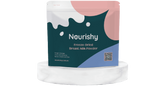
Nourishy processes the breast milk you send us and returns your own milk in labelled powder pouches. Intact, sealed pouches do not require refrigeration when stored according to their instructions. Protect them from heat, moisture and punctures, and place them in a cool, dry indoor location at your destination. Do not leave them stored in a vehicle or garage.
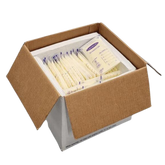
This option needs planning. Before ordering, contact the Nourishy team with your moving date, location and approximate stash size. Confirm time for the kit to reach you, your frozen milk to reach us, processing and the finished order to arrive.
Tell us if the return address will change. Agree on a delivery address where someone can receive the pouches, particularly if you will be between homes.
Keep enough milk available for your baby while the rest is being processed. You do not have to make the same storage choice for your entire stash.
Our freeze-drying process guide explains what happens at Nourishy. When sending milk to us, follow your order’s shipping instructions: a household cooler arrangement is different from packing a Nourishy shipping kit. Our frozen breast milk shipping guide covers that step.
Make a power-cut backup plan
A move is also a useful time to plan for an unexpected freezer failure.
If an outage is forecast, the Australian Breastfeeding Association recommends placing milk in the centre of the freezer and filling unused space with containers of water to freeze. Keep the door closed during a power cut.
Arrange a possible backup freezer with someone nearby. If a transfer becomes necessary and it is safe to travel, use an insulated cooler with ice packs.
After an outage, assess the milk before using or storing it again. The ABA’s power-blackout factsheet says milk retaining ice crystals may be refrozen; fully thawed milk should be discarded. This is its blackout-specific guidance, not a general rule for milk that has warmed during a journey.
Do not rely on a guaranteed number of hours: conditions vary. During an emergency, put your family’s safety first and follow emergency-service advice.
Freeze-drying belongs in the advance plan
Freeze-drying should not be treated as a way to make improperly stored milk suitable for feeding. If your stash has been affected by a power cut or has thawed, do not send it for processing without discussing its storage history with Nourishy.
Our current acceptance guidance requires milk to be completely frozen and not previously thawed. Advice about refreezing milk at home does not automatically make it eligible for our service.
Already having sealed pouches can reduce reliance on freezer space, but preparing feeds still requires appropriate water and clean equipment. Include those needs in your backup plan and follow the personalised directions supplied with your milk.
The ABA’s emergency feeding guidance can help you plan around interrupted power, water and cleaning facilities.
Your moving-day breastmilk checklist
Before the move, confirm:
- Storage: freezer space is available at both ends, with a backup location.
- Transport: the milk’s journey accounts for packing, travel, delays and unloading.
- Feeds: the milk and equipment needed during the move are accessible.
- Handover: someone is responsible for receiving and storing the stash.
- Any Nourishy order: processing timing and the return address are confirmed.
- At arrival: the milk’s condition is checked and it goes promptly into the appropriate storage.
Choose what suits life after the move
Think about how you will use the milk once you are settled. Single-Feed offers smaller individually labelled pouches, Multi-Feed allows different amounts to be measured from a larger pouch, and Combo includes both formats. Follow the instructions for the pouches you receive.
Compare Nourishy’s Single-Feed, Multi-Feed and Combo packaging to explore your options. If your move is approaching, speak with our team before ordering so you can make a realistic plan around your dates.