

Freeze dry vs freeze dried: is there a difference?
If you’ve searched “freeze dry breast milk” and “freeze dried breast milk”, you may have noticed both phrases are used interchangeably online.
So which one is correct? And does the wording actually matter?
The short answer: they refer to the same process; but understanding the difference in phrasing helps explain how freeze-drying works and why it’s trusted for long-term breast milk preservation in Australia.
What does “freeze dry breast milk” mean?
Freeze dry is the action.
When you freeze dry breast milk, water is removed from frozen milk under vacuum pressure at low temperatures. This process preserves nutrients while turning the milk into a lightweight, shelf-stable powder.
Parents searching “freeze dry breast milk Australia” are typically looking for a service that performs this process safely and professionally.
What does “freeze dried breast milk” mean?
Freeze dried describes the final product.
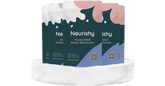
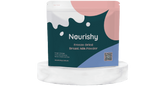
After the process is complete, the milk becomes freeze-dried breast milk — a powder that can be stored for extended periods when sealed and kept in a cool, dry place.
Once reconstituted with sterile water, it returns to liquid form with the same macronutrient profile.
Why both phrases matter for breast milk preservation
From a practical standpoint, there is no difference in outcome between the two phrases. However, from an educational standpoint, the distinction helps explain:
- The process (freeze drying)
- The product (freeze-dried milk powder)
- The purpose (long-term preservation without freezer reliance)
For families exploring breast milk preservation options, clarity matters — especially when comparing freezing, scalding, or other storage methods.
How freeze drying differs from traditional freezing
Freezing keeps milk cold and slows bacterial growth. But it still requires freezer space and careful thawing.
Freeze-drying removes water entirely while milk remains frozen, which:
- Stops enzymatic activity (such as lipase-related changes)
- Reduces reliance on freezer storage
- Creates a lightweight, travel-friendly option
- Extends storage life when sealed properly
For many Australian families, this provides flexibility that traditional freezing alone cannot.
Is freeze-dried breast milk still “real” breast milk?
Yes.
Freeze drying removes water — not nutrients. Fats, proteins, and carbohydrates remain. Once rehydrated with sterile water, the milk returns to its liquid state.
The goal is not to change breast milk — but to preserve it safely.
When might families consider freeze drying?
- Freezer space is limited
- Building a long-term emergency stash
- Preparing for travel or childcare
- Managing lipase-related flavour changes
- Returning to work
You can learn more about the full process in our guide: Freeze-Dried Breast Milk in Australia: Safe, Simple & Proven.
The bottom line
Freeze dry describes the process. Freeze dried describes the product.
Both refer to the same safe preservation method used by families across Australia who want flexibility, longevity, and peace of mind when storing breast milk.
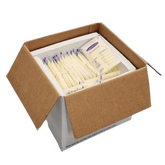
Order a cooler kit and convert your frozen stash into shelf-stable powder safely, Australia-wide.