

What is lipase in breast milk?
Lipase is a natural enzyme that helps break down fats in breast milk. For some mums, lipase activity is higher or shows its effects sooner, which can make stored milk smell or taste soapy or metallic over time—especially if milk warms slowly or is stored for longer.
Does freeze-drying stop lipase?
Short answer: Freeze-drying removes water at low temperature and puts lipase into a dormant (inactive) state. This prevents further flavour change during storage, but it does not reverse taste changes that have already occurred in liquid milk before processing.
Why this works
- Low temperature + vacuum: The process keeps milk cold while water is removed, limiting enzyme activity.
- No added heat: Freeze-drying preserves milk’s delicate components and keeps fats, proteins, and carbohydrates intact.
- Parent-friendly takeaway: Chill quickly, freeze promptly, and consider early freeze-drying to lock in flavour before lipase has time to act.
Will my baby’s milk taste better after freeze-drying?
If thawed milk already tastes soapy, freeze-drying can’t “fix” that flavour—but it can stop it from getting worse.
In our experience, 9 out of 10 babies who refuse frozen or thawed milk due to lipase will happily drink it once it’s been freeze-dried. Every baby is different, so we always recommend testing a small amount first to be sure.
Learn more about how the freeze-drying process works in our guide to turning breast milk into powder.
Best-practice steps to minimise flavour change
- Quick chill: Place freshly expressed milk in the back of the fridge (the coldest spot) as soon as possible.
- Freeze promptly: Once chilled, freeze within 24 hours and store flat so it freezes faster.
- Avoid warm cycles: Don’t repeatedly warm and cool the same milk.
- Consider early freeze-drying: Converting milk sooner keeps lipase dormant and flavour stable long-term.
Why Australian families choose freeze-dried breast milk
- Longevity: Shelf-stable pouches stored in a cool, dark place for up to three years.
- Convenience: Make exact bottle sizes and reduce waste.
- Travel-ready: Ideal for childcare, FIFO rosters, and holidays.
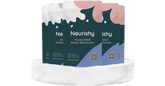
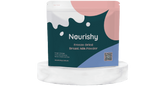
Learn more about freeze-dried breast milk in Australia and how Nourishy protects every drop.
How Nourishy protects your milk
- Individual-only processing using with full barcode traceability.
- Touchless Technology, closed workflow aligned with HACCP principles.
- Water-activity (aw) testing to confirm shelf stability.
- Optional nutritional analysis and portioning services.
FAQs
Is high-lipase milk safe?
Yes. The issue is taste, not safety. Nutritional value remains intact.
Should I scald milk before freeze-drying?
Some parents scald milk (~62–63 °C, then rapid cooling) to inactivate lipase before storage. Many mums prefer fast chilling and early freeze-drying instead.
Can older frozen milk be freeze-dried?
Yes, if stored correctly. Freeze-drying won’t reverse existing taste changes but will stabilise the milk going forward.
How do I use the powder?
We provide a simple reconstitution guide with every order. Add warm, sterile water, swirl gently, and prepare only what you need.
The bottom line
Freeze-drying won’t reverse soapy flavour already present in liquid milk, but it does stop further change. Combined with quick chilling and prompt freezing, it’s one of the simplest ways to help your baby continue enjoying your milk.
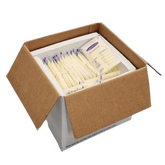
Order a cooler kit and let us freeze-dry your breast milk safely, Australia-wide.