

Discover how long professionally freeze-dried breast milk can last, the best way to store it, what happens after opening, and why proper processing makes all the difference.
Breast milk is often called “liquid gold” for good reason. It’s uniquely tailored to your baby, packed with nutrients, antibodies and bioactive compounds that support healthy growth and development. But frozen breast milk has one major limitation; it eventually reaches the end of its recommended storage life and requires valuable freezer space.
Professionally freeze-drying offers an alternative. By removing almost all of the water while preserving the milk’s natural components, freeze dried breast milk can remain shelf stable for up to three years when processed, packaged and stored correctly.
In this guide, we’ll explain how long freeze-dried human milk lasts, what determines its shelf life, how to store it correctly, what happens after opening, and how to tell if a pouch has been compromised. We’ll also answer many of the most common questions parents ask about freeze-dried breastmilk storage.
Want to preserve your own breast milk for longer?
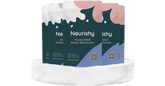
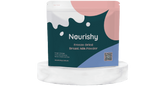
Nourishy professionally freeze-dries your own breast milk, individually processed and packaged for convenient long-term storage.
Freeze-Dry My Breast MilkAt a Glance: How Long Is the Shelf Life of Freeze-Dried Breast Milk Powder?
|
Stage |
Typical Storage Time |
|---|---|
|
Freshly expressed breast milk |
Follow current health authority guidelines; generally 2 hours. |
|
Frozen breast milk |
Up to 6–12 months, depending on freezer type and storage conditions |
|
Professionally freeze-dried breast milk (sealed) |
Up to 3 years when stored correctly |
|
Multi-Feed pouch after opening |
Use within 30 days |
|
Single-Feed pouch after opening |
Use immediately after reconstitution |
|
Reconstituted breast milk |
Follow standard breast milk handling guidelines and use promptly |
Important: Shelf-life claims only apply when breast milk has been professionally freeze-dried, validated for low moisture content, packaged in high-barrier pouches and stored correctly. Not all freeze drying services use the same quality assurance processes, so storage recommendations may differ between providers.
How Long Does Freeze-Dried Breast Milk Last?
Professionally freeze-dried breast milk can remain shelf stable for up to three years when stored in its original sealed pouch under appropriate conditions. This is significantly longer than frozen breast milk, making it an attractive option for families who want greater flexibility without relying on freezer space.
The reason is simple: microorganisms and many natural spoilage processes require water to grow and function. Freeze-drying removes almost all of the milk’s water through a carefully controlled process called sublimation, dramatically slowing the processes that normally limit shelf life.
However, freeze-drying alone does not automatically guarantee a long shelf life.
Several factors determine how long freeze-dried breast milk can safely be stored, including:
- how completely moisture has been removed during the freeze-drying process
- the milk’s final water activity (the amount of available moisture remaining)
- protection from oxygen and humidity
- the quality of the storage pouch
- storage conditions after packaging
- ongoing quality assurance throughout processing
This is why different providers may quote different shelf lives. A three-year shelf-life is not simply a feature of freeze-drying itself—it reflects the entire preservation process, from careful handling of frozen breast milk through to packaging validation and storage recommendations.
At Nourishy, every order is processed individually, and each batch undergoes water activity testing to confirm it meets our strict quality standards. Combined with validated high-barrier packaging, this allows us to confidently recommend a shelf life of up to three years when stored according to our guidelines.
For parents, the practical benefits are significant. Freeze-dried breast milk can free up freezer space, simplify travel, make daycare preparation easier and provide reassurance that your stored milk will remain available long after frozen storage would normally be recommended.
How the Freeze-Drying Process Extends Breast Milk Shelf Life
Freeze-drying extends the shelf life of breast milk by removing almost all of its water while keeping the milk frozen throughout the drying process. Unlike traditional dehydration, which uses heat to evaporate water, freeze-drying relies on a carefully controlled process called sublimation.
During sublimation, the ice crystals within frozen breast milk change directly from a solid into a vapour under vacuum, bypassing the liquid phase altogether. Because the milk remains at very low temperatures during this process, many of its naturally occurring nutrients and bioactive components are better preserved than they would be with heat-based drying methods.
However, simply removing water isn’t enough. The long-term stability of powdered breast milk depends on a combination of scientific principles working together.
Water Activity: The Key to Long-Term Storage
One of the most important factors determining shelf life is water activity which measures remaining water content.
Water activity measures how much “available” water remains for bacteria, mould and other microorganisms to grow. Even if a product feels dry, enough available moisture can still allow spoilage over time.
Professionally freeze-dried breast milk should have an appropriately low water activity before it is packaged. This significantly reduces the conditions needed for microbial growth and helps preserve the milk during long-term storage.
At Nourishy, every batch undergoes water activity testing before it is approved for packaging. This provides an additional level of quality assurance and helps verify that the freeze-drying process has achieved the required level of dryness for long-term storage.
Why Oxygen and Moisture Matter
Once breast milk has been freeze-dried, its biggest enemies become oxygen and humidity.
If moisture is allowed back into the powder, it can:
- encourage microbial growth
- increase clumping
- reduce product quality
- shorten shelf life
Similarly, prolonged exposure to oxygen can gradually affect sensitive nutrients and fats.
This is why professionally freeze-dried breast milk should be stored properly, sealed in high-barrier packaging designed to minimise exposure to both oxygen and moisture throughout storage.
Even the best freeze-dried powder can lose quality if its packaging becomes damaged or the seal is broken.
Packaging Is Part of the Preservation Process
Many parents assume the freeze-drying machine alone determines how long breast milk lasts.
In reality, packaging is just as important.
Professionally designed storage pouches are selected to provide a strong barrier against:
- moisture
- oxygen
- light
- environmental contaminants
Without appropriate packaging, the benefits of freeze-drying can be significantly reduced.
This is why shelf-life claims should always be considered alongside the provider’s packaging validation and quality assurance processes—not simply whether they use a freeze dryer.
Storage Conditions Still Matter
Although freeze dried breast milk is shelf stable, it should still be stored carefully.
The best storage conditions are:
- a cool, dry location
- away from direct sunlight
- away from humidity
- in the original sealed pouch until needed
Unlike frozen breast milk, freeze-dried breast milk does not require ongoing freezer storage while it remains sealed. This makes it much easier to store at home, pack for travel or keep available for daycare without relying on constant refrigeration.
Why Professional Processing Makes a Difference
Not all freeze-drying services or processes are the same.
Professional breast milk preservation involves much more than simply placing frozen milk into a freeze dryer.
A validated process typically includes:
- careful handling of frozen breast milk from arrival
- individually processing each mother’s milk
- controlled freeze-drying cycles
- verification of dryness through water activity testing
- packaging into high-barrier storage pouches
- quality assurance before the milk is returned
Each of these steps contributes to achieving a reliable long-term shelf life.
For parents, this means greater confidence that the milk they worked so hard to express has been preserved using a process designed specifically for long-term storage rather than simply dried and packaged.
While shelf life is important, many parents also want to know whether freeze-drying affects the nutritional quality of their milk. We explore the current evidence in our guide to Is Freeze-Dried Breast Milk Safe?
Want to see exactly how your milk is cared for?
See how Nourishy receives, individually processes, freeze-dries, tests and packages your own breast milk.
See How It Works Read About SafetyHow to Store Freeze-Dried Breast Milk Correctly
Proper storage is essential to maintaining the quality and shelf life of freeze-dried breast milk. While professional freeze-drying removes the moisture that normally limits how long breast milk can be stored, poor storage conditions can allow moisture or oxygen back into the pouch and reduce its long-term stability.
Fortunately, storing freeze-dried breast milk is simple when you follow a few best practices.
How Can You Tell If Freeze-Dried Breast Milk Has Gone Bad?
When professionally freeze-dried, correctly packaged and stored according to the manufacturer’s recommendations, freeze-dried breast milk is designed to remain stable for its stated shelf life. However, like any food product, it should always be inspected before use.
It’s important to remember that the condition of the packaging is just as important as the condition of the powder itself. If a pouch has been damaged or exposed to moisture, the quality of the milk may no longer be assured.
Pay Attention to Smell
Breast milk naturally has a wide range of normal aromas.
Some mothers produce high-lipase milk, which may develop a soapy, metallic or slightly different smell before freeze-drying. This is a naturally occurring enzymatic process and does not necessarily indicate that the milk is unsafe.
If your frozen milk already had a characteristic high-lipase aroma before processing, it is likely to retain those characteristics after freeze-drying.
However, if the powder develops an unexpected or unusual odour that differs significantly from your milk’s normal smell, it is best not to use it until you have sought advice from your provider.
Learn more: If you’re unsure whether you have high-lipase milk, read our guide to High-Lipase Breast Milk.
Can Older Frozen Breast Milk Still Be Freeze-Dried?
Many parents discover freeze-drying only after they’ve built a substantial freezer stash. A common question is whether breast milk that has been frozen for several months can still be freeze-dried.
In many cases, yes; provided the milk has been stored appropriately.
The quality of frozen breast milk depends on several factors, including:
- how long it has been frozen
- whether it has remained continuously frozen
- the type of freezer it has been stored in
- whether the storage bags remain intact
- how the milk was expressed and handled before freezing
Milk stored in a dedicated chest or upright freezer that maintains a consistent temperature generally retains its quality better than milk stored in a frequently opened refrigerator freezer, where temperatures fluctuate more often.
It’s also important to distinguish between quality and safety.
Over time, frozen breast milk may experience gradual changes in flavour or some nutritional components. However, this does not necessarily mean it is unsafe. Suitability depends on the individual circumstances of each batch.
For this reason, reputable providers assess every shipment individually rather than applying a single rule to all frozen milk.
If you’re unsure whether your frozen milk is suitable for freeze-drying, contact your provider before arranging shipment. They can discuss factors such as storage history, freezer type and the age of the milk to help determine the most appropriate course of action.
Tip: If your freezer is starting to fill up, don’t wait until it reaches capacity. Planning ahead gives you more flexibility and helps preserve the greatest number of feeding options for your baby.
Does Freeze-Drying Affect Nutrients?
One of the most common questions parents ask is whether freeze-drying changes the nutritional quality of breast milk.
The short answer is yes; but generally much less than many other preservation methods including freezers.
Unlike conventional drying techniques that rely on heat to evaporate water, freeze-drying removes water while the milk remains frozen. This low-temperature process helps preserve many of the naturally occurring components found in human milk.
Research suggests that freeze-drying can retain many important nutritional and bioactive components, including proteins, fats and a range of immune-related compounds. However, breast milk is an incredibly complex biological fluid containing thousands of naturally occurring substances, and no preservation method leaves every component completely unchanged.
For this reason, parents should be cautious of any provider claiming that every nutrient, antibody, enzyme or bioactive compound remains identical after freeze-drying.
Current evidence suggests that many components are well preserved, but the degree of preservation depends on factors including:
- the freeze-drying process itself
- how the milk was collected and stored before processing
- the final moisture level achieved
- packaging quality
- storage conditions after freeze-drying
- the length of storage before reconstitution
The quality of the entire preservation process matters—not simply the fact that a freeze dryer was used.
What About Antibodies?
Breast milk naturally contains antibodies that help support an infant’s developing immune system.
Freeze-drying uses low temperatures that are generally considered gentler than heat-based drying methods, and published research indicates that many immune-related components remain present following freeze-drying.
However, scientists continue to study exactly how individual antibodies and other bioactive compounds respond to long-term storage under different conditions.
The most trustworthy providers acknowledge both what is currently known and where research is still evolving.
What About Enzymes and High-Lipase Milk?
Breast milk also contains naturally occurring enzymes.
One of these, lipase, helps break down fats. In some mothers, higher lipase activity can cause frozen breast milk to develop a distinctive soapy or metallic aroma during storage.
Freeze-drying puts the lipase enzyme into an inactive state stopping any further taste changes; but it does not remove lipase or reverse flavour changes that have already occurred before processing.
If your frozen milk already had a high-lipase flavour before freeze-drying, those characteristics may still be noticeable after reconstitution.
This is one reason why expressing, freezing and storing milk correctly before processing remains an important part of preserving overall quality. If you have high lipase milk; freeze-drying it as early as possible is the best option.
Why Professional Processing Makes a Difference
Freeze-drying is only one part of preserving breast milk.
The final quality of the powder also depends on how carefully the milk is handled throughout the entire process.
Professional providers should have documented procedures covering:
- maintaining the frozen cold chain
- individual identification and traceability
- validated freeze-drying cycles developed for human milk
- verification that sufficient moisture has been removed
- quality assurance before packaging
- protective moisture-barrier packaging designed for long-term storage
At Nourishy, every mother’s milk is processed individually and undergoes water activity testing before being approved for packaging. This helps verify that the milk has reached the required level of dryness for long-term storage and forms part of our broader quality assurance program.
Our freeze-drying recipes have also been developed specifically for human milk, recognising that breast milk behaves very differently from products such as fruit, confectionery or prepared meals.
Just as importantly, our storage pouches have undergone independent water vapour transmission rate (WVTR) testing. This testing measures how effectively the packaging prevents moisture from entering over time. Without validated packaging performance, long shelf-life claims are difficult to substantiate, regardless of how well the milk was freeze-dried.
These quality measures are one of the reasons we can confidently recommend a shelf life of up to three years when our
Want to learn more about how we preserve your milk? Read our guide to Is
Want to learn more about how we preserve your milk? Read our guide to Is Freeze-Dried Breast Milk Safe?, where we explain our processing, quality assurance and handling procedures in more detail.
Frequently Asked Questions
Does freeze-dried breast milk expire?
Professionally
Should freeze-dried breast milk be refrigerated?
No. Unopened pouches should be stored in a cool, dry place away from direct sunlight and humidity. Refrigeration is not required while the pouch remains sealed.
Can freeze-dried breast milk be frozen again?
Because professionally
Can I travel with freeze-dried breast milk ?
Yes. One of the biggest advantages of
How do I reconstitute freeze-dried breast milk ?
Always follow the preparation instructions supplied with your order. To rehydrate; Add the recommended amount of sterile or previously boiled and cooled water to restore the milk to its original concentration, then gently mix the powder before feeding.
Can I freeze-dry my breast milk at home?
Home freeze dryers are becoming more common, but operating the machine is only one part of the process. Developing an appropriate drying cycle, verifying dryness, maintaining food safety standards, minimising moisture exposure and using validated packaging all contribute to long-term stability. For many families, a professional service provides greater confidence through documented quality assurance procedures.
The Bottom Line
Professionally freeze-dried breast milk can provide families with a practical way to preserve their breast milk for up to three years, while reducing reliance on freezer space and making travel, daycare and everyday feeding more convenient.
However, shelf life depends on far more than simply removing water.
Long-term stability relies on the entire preservation process—from hygienic milk collection and careful handling through to validated freeze-drying, water activity testing, protective packaging and correct storage at home.
When comparing providers, don’t just ask “How long does it last?” Ask “How do you know?”
Look for evidence of:
- individually processed milk
- documented quality assurance
- water activity testing
- independently validated packaging
- clear storage instructions
- transparent handling procedures
These are the factors that give parents confidence that the milk they worked so hard to express has been preserved with the same level of care.
If you’re considering freeze-drying your breast milk, choosing a provider that combines scientific validation with practical experience can help ensure your milk remains protected from the day it leaves your freezer until the day it’s prepared for your baby.
Ready to preserve your breast milk?
Turn your own frozen breast milk into convenient, shelf-stable powder using Nourishy’s professional Australian freeze-drying service.
Freeze-Dry My Milk See How It Works