

Why breast milk preservation matters
Every drop of breast milk takes time, energy, and care to produce. Whether you’re building a freezer stash, returning to work, or planning ahead, choosing the right breast milk preservation method can make a big difference.
In Australia, most families rely on freezing—but more parents are now exploring freeze-drying as a flexible, long-term option.
Breast milk preservation options in Australia
There are two main ways to preserve breast milk:
- Freezing: storing milk at low temperatures to slow bacterial growth
- Freeze-drying: removing water from frozen milk to create a shelf-stable powder
Both methods have their place—it depends on your lifestyle, storage needs, and how long you plan to keep your milk.
Freezing breast milk: how it works
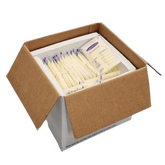
Freezing is the most common way to store breast milk. After expressing, milk is placed in a freezer (usually around –18 °C) to preserve it for later use.
Want a deeper look into the process? Read how families are turning breast milk into powder in Australia.
Pros of freezing
- Widely accessible and easy to do at home
- No special services required
- Maintains nutritional value when stored correctly
Limitations of freezing
- Requires consistent freezer space
- Dependent on power (risk during outages)
- Thawing and reheating needed before use
- Some families notice lipase-related taste changes
- Storage duration is limited compared to other methods
Freeze-drying breast milk: how it works
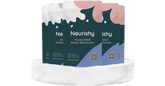
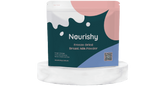
Freeze-drying removes water from breast milk while it remains frozen, turning it into a fine powder that can be stored at room temperature when sealed.
If you’re curious about the actual process of converting milk into powder, read our guide on turning breast milk into powder.
When ready to use, the powder is reconstituted with sterile water back into liquid form.
Pros of freeze-drying
- Long-term storage: up to 3 years when sealed
- No freezer required: ideal for travel and space-saving
- Lightweight and portable: easier for childcare, travel and FIFO lifestyles
- Flexible feeding: make only what you need
- Helps stabilise taste: limits further lipase-related changes after processing
Things to consider
- Requires a specialised service
- Milk should be handled carefully before processing
Freezing vs freeze-drying: side-by-side comparison
| Feature | Freezing | Freeze-drying |
|---|---|---|
| Storage location | Freezer required | Shelf-stable (sealed) |
| Shelf life | Up to ~6 months (best quality) | Up to 3 years |
| Portability | Low | High |
| Preparation | Thaw + warm | Add water |
| Space required | High (freezer space) | Minimal |
| Power dependency | Yes | No (once processed) |
Which option is best for your situation?
Freezing may suit you if:
- You need short-term storage
- You have reliable freezer space
- You’re using milk within a few months
Freeze-drying may suit you if:
- You want long-term storage
- You’re running out of freezer space
- You’re returning to work or travelling
- You want more flexibility with feeding
- You’re planning ahead for future use
Can you use both methods?
Yes—many families use a combination of freezing and freeze-drying.
For example:
- Freeze milk in the short term
- Then convert part of your stash into freeze-dried powder for long-term storage
This approach offers flexibility without losing the benefits of either method.
Breast milk preservation in Australia: what to know
As awareness grows, more Australian families are exploring preservation options beyond traditional freezing.
Working with a service that prioritises safety, traceability, and individual handling is key when choosing freeze-drying.
You can learn more about how the process works here: Freeze-Dried Breast Milk in Australia
FAQs
What is the best way to preserve breast milk long term?
For long-term storage, freeze-drying offers the longest shelf life and flexibility, while freezing is suitable for shorter-term use.
Is freeze-dried breast milk safe?
When processed using controlled, food-safe systems, freeze-dried breast milk is considered safe and stable for long-term storage.
Can you freeze milk before freeze-drying?
Yes. Many families freeze milk first, then convert part of their stash into freeze-dried powder later.
The bottom line
Freezing and freeze-drying both preserve breast milk—but they serve different needs.
Freezing is ideal for short-term storage, while freeze-drying offers long-term flexibility, portability, and convenience.
Choosing the right option depends on your lifestyle, storage capacity, and future plans.